All tagged Refugees
The act of deciding who deserves welcome in a country is determined not only by ‘hard’ legal facts such as visa or passport status but also by ‘soft’ factors coalescing around nebulous ideas of ‘belonging’. This post explores the experiences of Anglo-Egyptians in Britain, harkis in France, and retornados in Portugal to show just how complicated the politics of welcome and belonging could be, and highlights the role of ‘soft’ citizenship in the process.
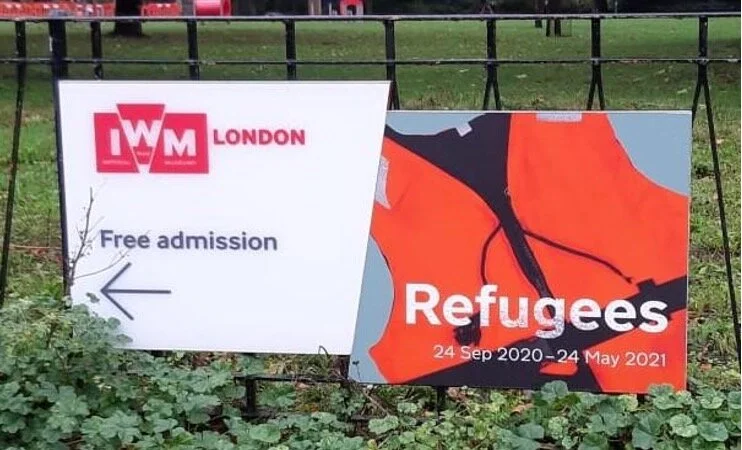
London Imperial War Museum’s Refugees season refutes modern-day crisis narratives about refugees. It historicises displacement to address global refugee movements across the past century, striking a tough balance between providing a space for refugees to tell their own stories and presenting academic research.
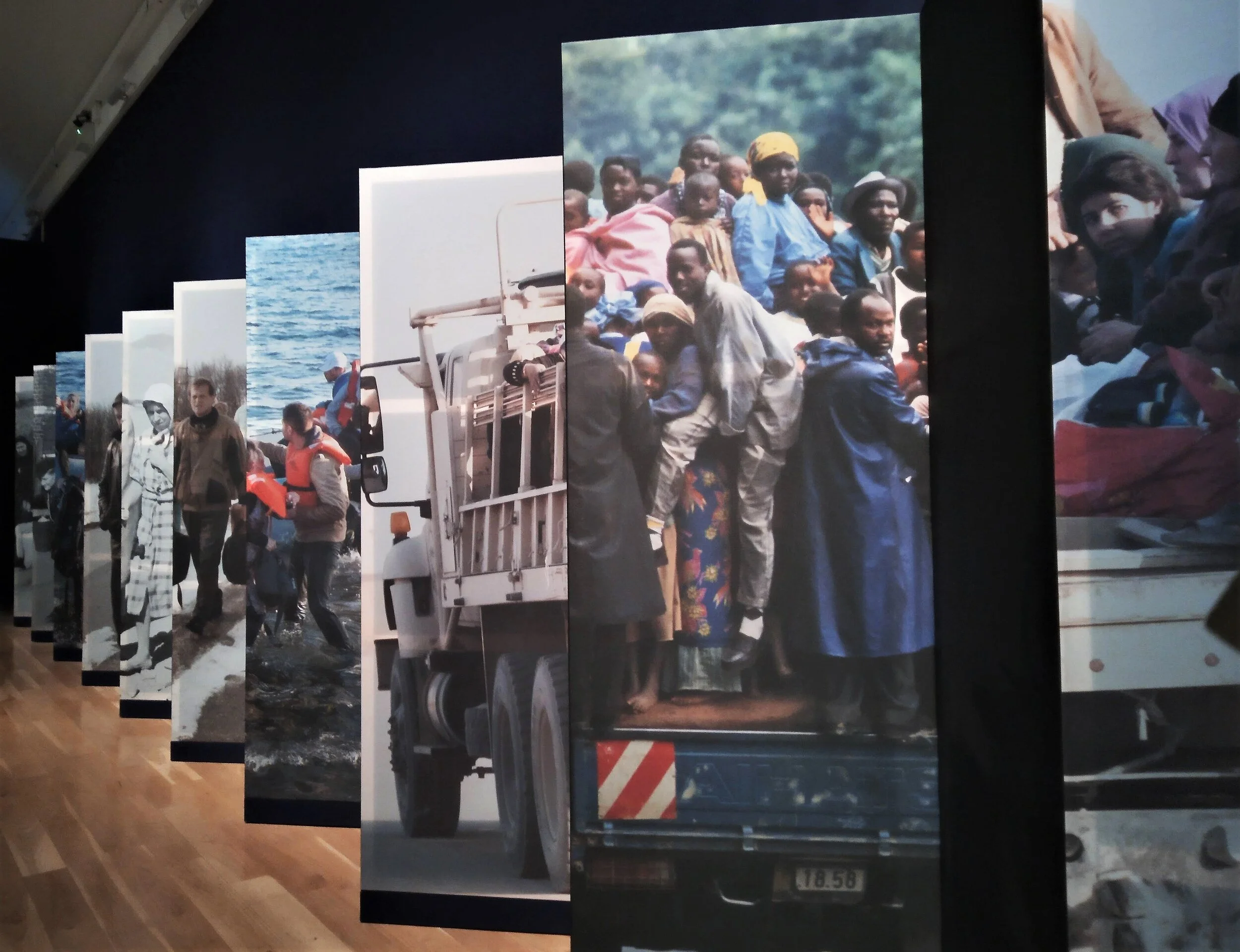
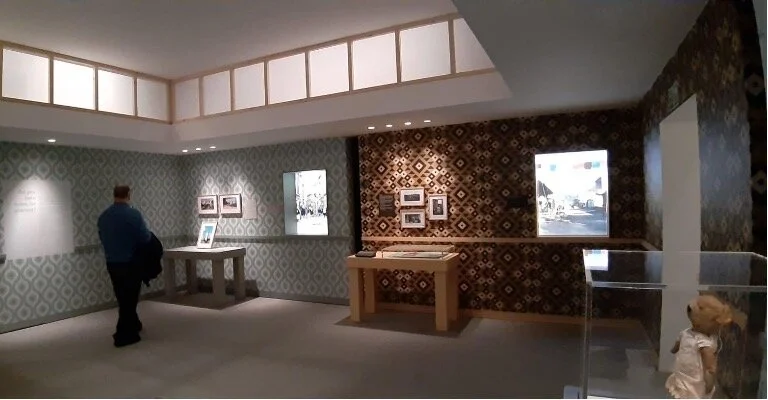
Forced to Flee is an expansive exhibition covering a range of angles, from the triggers for displacement, the journey that refugees have made, crossing borders, refugee camps, and reception in the UK. The exhibition looks at historical situations as well as recent displacement, and some clear themes emerge. The strongest is an emphasis on the human, the personal experience. Another is the diversity of community responses to refugees arriving in the UK. The third is the focus on conflict as a cause of displacement—though this means other causes are neglected. Overall the exhibition is ambitious and timely.
The exhibition includes refugees from a wide range of contexts. All looked similar to me: they had all lived in camps, fled their own country, and suffered on the journey to arrive at a safe place. The exhibition makes you wonder about how they lived. There are things that give an incomplete impression, but overall it is a really nice exhibition.
There is nothing shocking, dramatic or distressing about Forced to Flee. It avoids representing any of the physical effects of forced displacement on the human body: anguish, injury, illness, destitution, death – or crying. The exhibition not only challenges the idea of the refugee as a silent suffering body, but interrupts the whole set of emotional relationships that go along with that idea. Forced to Flee spans a century of refugee history, but rather than taking each historical moment in turn, the exhibition follows the steps of a ‘typical’ refugee story: the departure, the journey, the arrival, the asylum procedure, the integration process.
This week we run a virtual round table about the Imperial War Museum’s Refugees season, especially the exhibition Forced to Flee. Drawing together the perspectives of researchers, practitioners, and those with lived experience of displacement, it seeks to engage with and reflect upon the scope and aims of the exhibition, its historical remit and comparisons, its artistic and curatorial choices, and its specific exhibits.
Saudi Arabia is not a party to the main global refugee protection instrument, the 1951 Refugee Convention, nor does it have any specific domestic legal framework pertaining to refugee issues. Thirty-five percent of Saudi-Arabia’s roughly 30 million inhabitants are not citizens – and many come from important refugee-producing countries.
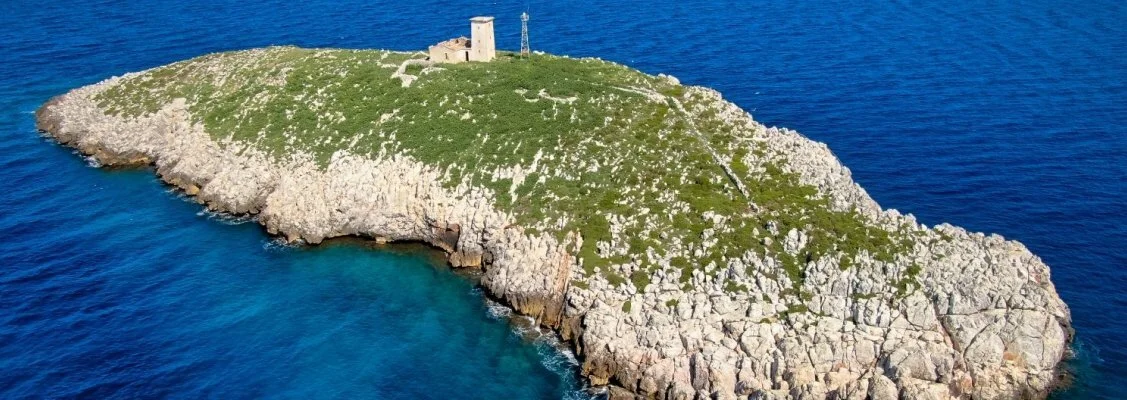
In 1942, an unnamed Greek man swam the seven kilometers from the island of Chios to the Turkish coast. According to historian Philip Argenti, he started his journey at the promontory of Haghia Heléne, putting his clothes in a watertight tin that also served him as a lifebuoy. He wasn’t alone in escaping the islands during the German occupation, though he is believed to be the only one who swam. Between March and May 1942 alone, nearly nine thousand inhabitants of Chios fled the brutal occupation and famine conditions to neighbouring Turkey. The German military had declared it illegal to leave the island and confiscated most seaworthy boats, so the refugees had to cross the sea on frail skiffs and under the cover of night. It was a dangerous journey, as it is today, and not all the vessels reached the Turkish shore safely: in April 1942 one boat broke on a reef and 207 of the 236 passengers lost their lives, while another similar accident saw eighty-one casualties.