A peculiar nostalgia? Oral histories of childhoods in a postwar Polish Resettlement Camp in the UK

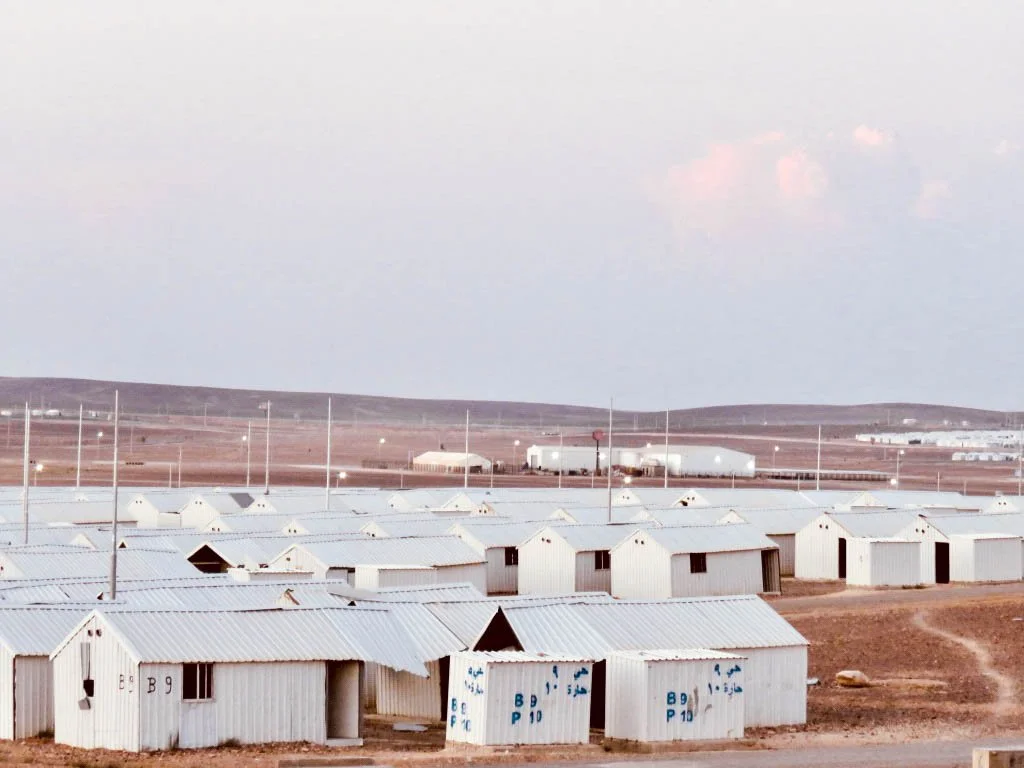
After the second world war, a Polish Resettlement Corps was raised as part of the British Army to allow Polish servicemen wishing to remain in the West to be demobilized and resettled to Britain. Some 125,000 chose to do this, the number growing to 200,000 when soldiers were joined by families who had spent the war in refugee camps in British colonies. The only way such a vast number of people could be accommodated in post-war Britain was by placing them in ex-army camps. Dozens across the country were turned into Polish resettlement camps, having been built in rural areas in the early 1940s for the American and Canadian troops. Blackshaw Moor in Staffordshire became one of them. This post discusses the memories of people who grew up there.

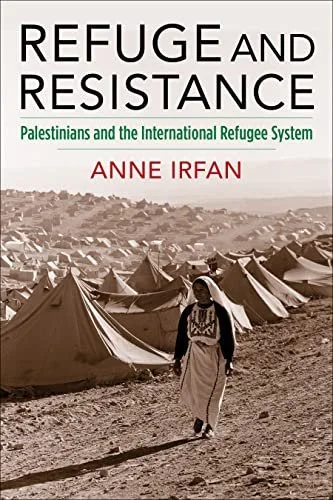
Review of ‘The Refugee System’ by Rawan Arar and David Scott FitzGerald

In The Refugee System, Rawan Arar and David Scott Fitzgerald offer an avenue for overcoming the limits of the siloed approaches which direct research on refugees. Situating their work at the intersection of international migration, forced displacement, and conflict studies, they propose a ‘systems approach’ which ‘shows how “refugeedom” – the relationship between refugees, state, and society – interacts with refugeehood – the experience of becoming and being a refugee.’ Their findings attest that work on refugeedom is immeasurably strengthened by understanding how displaced persons themselves may view this matrix as they navigate its confines.

The possibilities in transit: Helmut Newton’s experiences on a Shanghai-bound ship

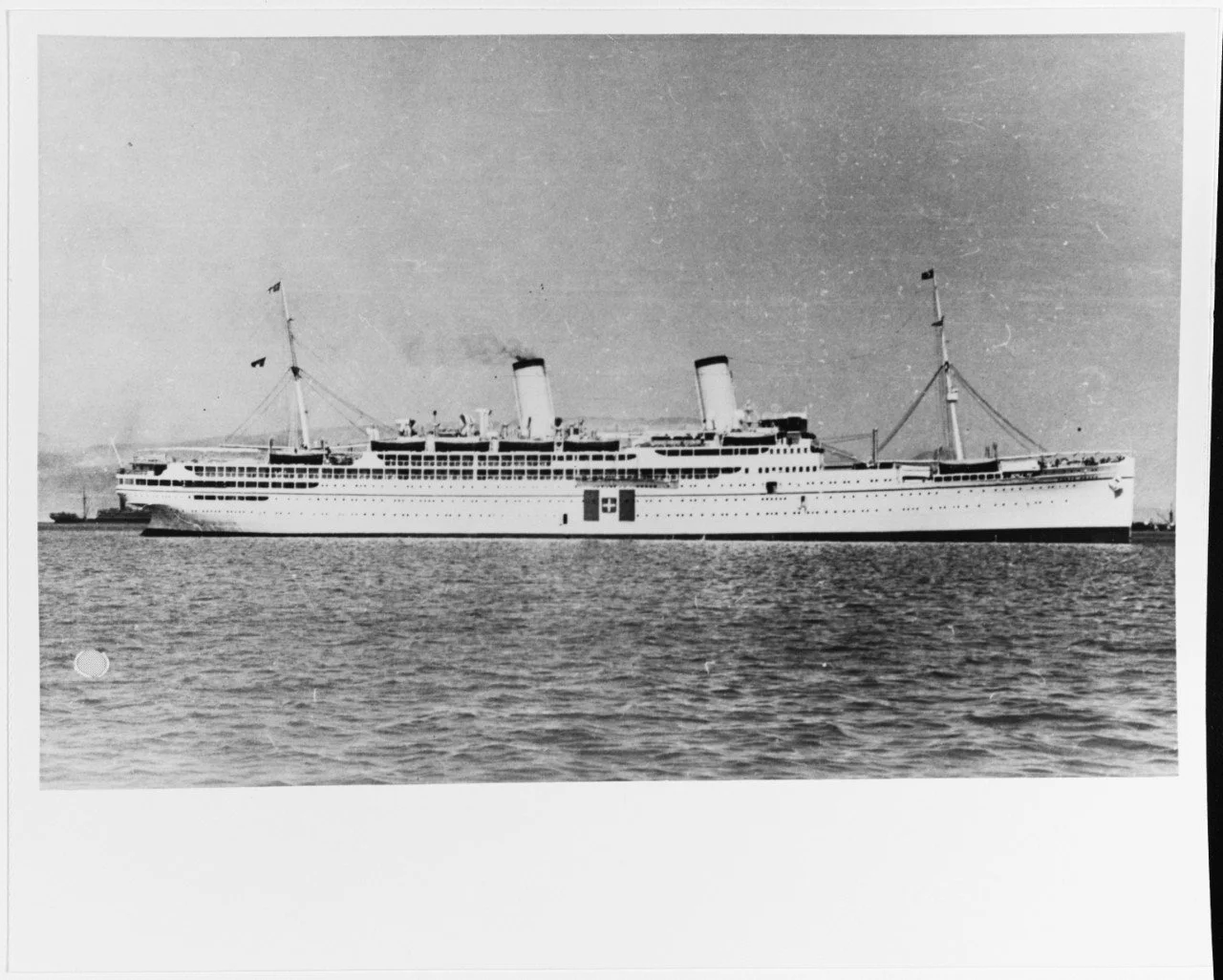
This post uses Helmut Newton’s provocative memoir, Autobiography, to explore how the ocean-going liner, as a mode of transportation, informed Jewish refugees’ experiences between 1938 and 1940. What did they do during their journey onboard Shanghai-bound ships? By joining Newton on the ship, this post draws connections between Holocaust Studies and Refugee Studies to reveal the significance of these vessels as a ‘space of possibilities’ for Jewish refugee passengers.

Which refugees are welcome? How ‘hard’ legal status and ‘soft’ notions of belonging shape the reception of displaced populations

The act of deciding who deserves welcome in a country is determined not only by ‘hard’ legal facts such as visa or passport status but also by ‘soft’ factors coalescing around nebulous ideas of ‘belonging’. This post explores the experiences of Anglo-Egyptians in Britain, harkis in France, and retornados in Portugal to show just how complicated the politics of welcome and belonging could be, and highlights the role of ‘soft’ citizenship in the process.

Refugee technologies – call for papers

We are pleased to announce that the ‘Doing Refugee History’ series continues this semester on the subject of refugee technologies and will take place on Thursday 20 April 20223, 2-4pm UK time

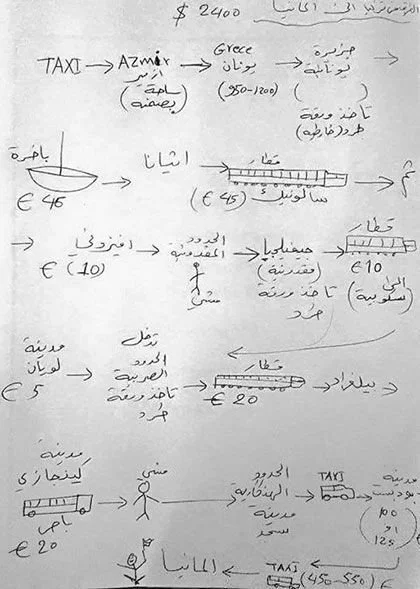
Technology has shaped refugee history in many ways, from how refugees move and stay connected to how states seek to regulate and control migrant mobility. Boats, trains and planes enabled people to travel to places further and further afield. Letters, telegrams, emails and messaging applications have enabled people to keep in touch and raise awareness about refugee situations. Conversely, identity documents, passports and now facial recognition technologies have created layers of regulation and bureaucracy that refugees must navigate and overcome. Technology has also changed the manner in which researchers access histories of displacement and refuge, and transformed the nature of research in this field.

The purpose of this roundtable is to explore the topic of refugee technologies in history. What kinds of technologies have refugees used in their journeys? What kinds of experiences have these technologies fostered? In what ways have various technologies been used to regulate refugee movements and refugee bodies, historically and in the present? And in what ways has technology transformed historical research? We welcome contributions that discuss technologies, broadly defined, and consider how these inform approaches to doing refugee history.