‘Boat People’: A Tale of Two Seas

Following the end of the Vietnam War in 1975, North Vietnamese forces moved into Saigon displacing thousands of people from their homes. Vietnamese refugees boarded small fishing and rowing boats, taking flight across the South China Sea in search of refuge from neighbouring Thailand, Malaysia, the Philippines and Indonesia. Images of men, women and children in overcrowded wooden boats captured media headlines across the world. Their plight garnered both outrage and sympathy in the West as the British and French governments mobilised to receive 19,000 and 119,000 ‘boat people’ respectively.

In France, the defining moment in public and political opinion occurred in November 1978 when the vessel, Hai Hong, with 2,564 refugees aboard, spent three weeks stranded off the coast of Malaysia.
Repelling refugees, 2020 / 1938

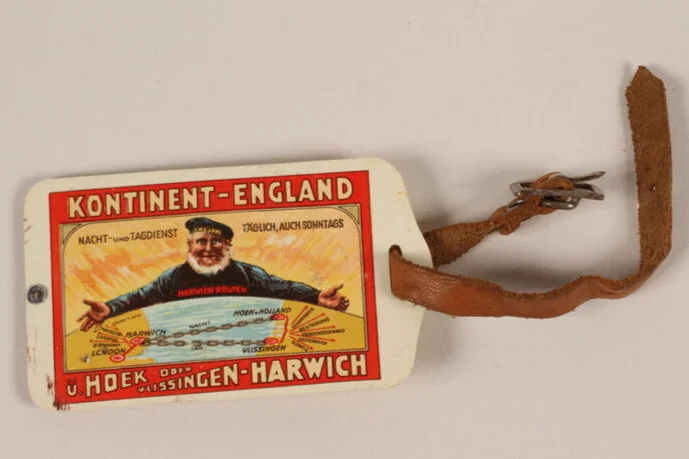
This seems a good moment to remember Britain’s well-established tradition of repelling refugees from its shores.

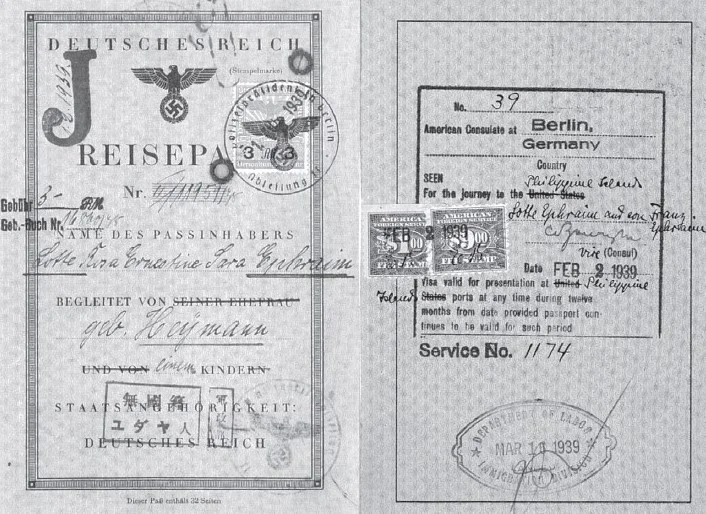
As the persecution of Jews and dissidents in Nazi-controlled Germany and Austria intensified in the summer of 1938, and as the liberal democracies which surrounded its territories imposed more and tougher visa restrictions and hardened their borders against refugees, those seeking refuge started to look for other means to enter safe countries. Those who had reached France, but feared that the country might soon be in line for invasion, or who already had relatives in Britain, started to enter the country illegally.

Vietnamese refugees in Britain: displacement, home and belonging

In 1975, North Vietnamese forces took control of Saigon, marking an end to the protracted conflict of the Vietnam War (also referred to as the American War and the Indochina War). By 1979, the impact of policies of forced relocation and the repression of ethnic minorities forced hundreds of thousands of people to leave Vietnam. Around 19,000 Vietnamese refugees were resettled in Britain between 1975 and the 1990s.