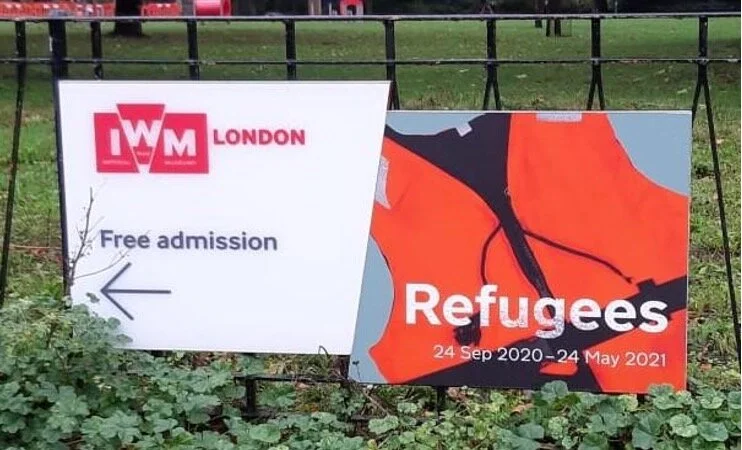
Refugees at the Imperial War Museum: a virtual round table

This week we run a virtual round table about the Imperial War Museum’s Refugees season, especially the exhibition Forced to Flee. Drawing together the perspectives of researchers, practitioners, and those with lived experience of displacement, it seeks to engage with and reflect upon the scope and aims of the exhibition, its historical remit and comparisons, its artistic and curatorial choices, and its specific exhibits.
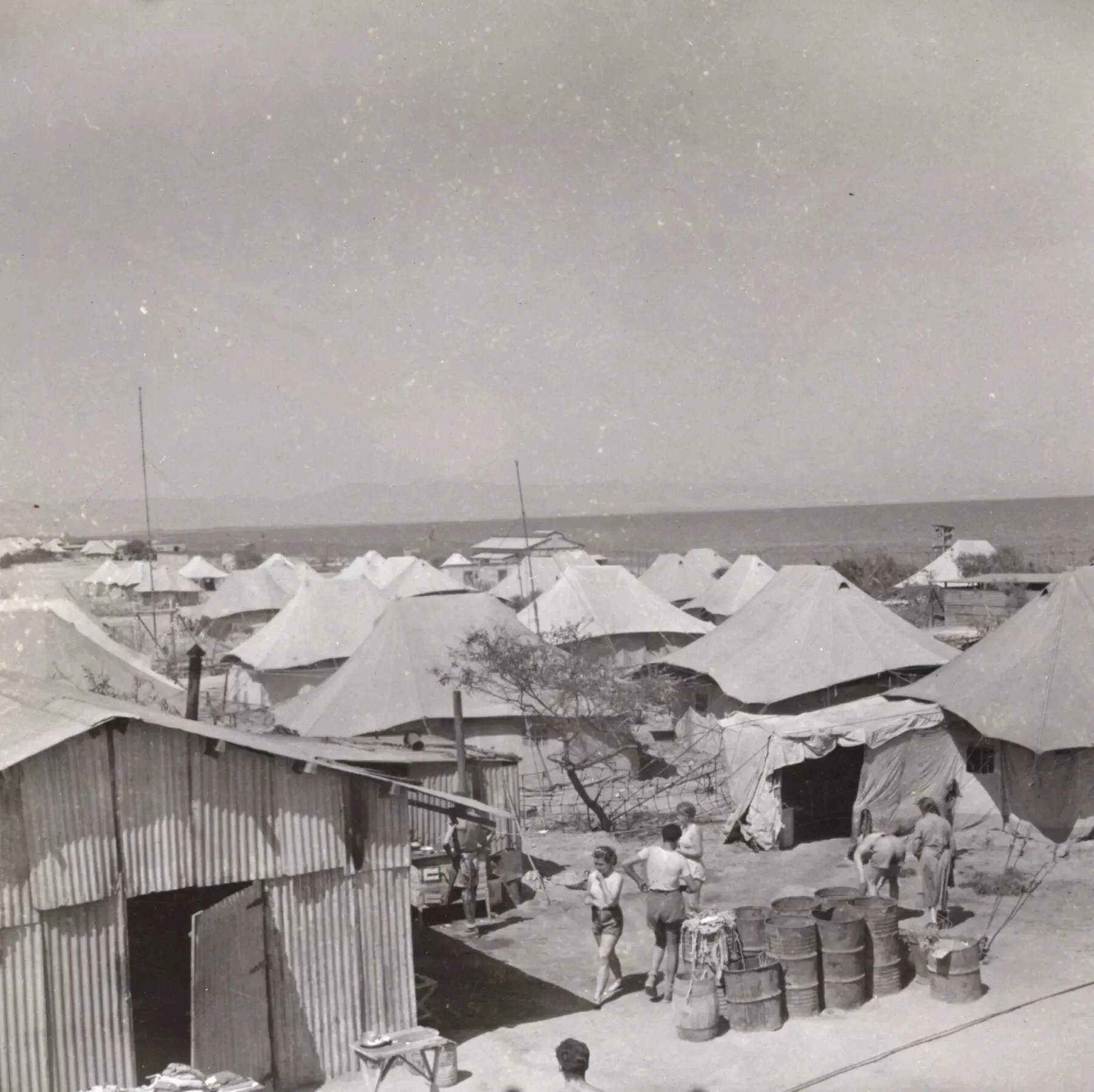
Trading undeserving for deserving refugees: Afghan Jews and European displaced persons, 1945-1949

Two weeks into 1947, Vaad Leumi (Jewish National Council) president Yitzhak Ben-Zvi wrote to Mandate Palestine’s high commissioner, Alan Cunningham, after receiving news from Peshawar and Bombay regarding an allegedly large number of Afghan Jewish refugees in India. A delegation of Palestine’s Jewish citizens originally from Afghanistan had recently warned Ben-Zvi that between 300 and 400 Afghan Jews – clustered in temporary housing in India and cared for by the charity of others – faced immediate danger as they waited on immigration certificates for Palestine.

A Recent History of Refugees in Saudi Arabia

Saudi Arabia is not a party to the main global refugee protection instrument, the 1951 Refugee Convention, nor does it have any specific domestic legal framework pertaining to refugee issues. Thirty-five percent of Saudi-Arabia’s roughly 30 million inhabitants are not citizens – and many come from important refugee-producing countries.

Palestinian petitions: activism in exile

There is a long history of Palestinian refugees deploying petitions as part of their political activism. From the early aftermath of their dispossession in 1948 – known as the Nakba or ‘catastrophe’ – Palestinians have continually organised and submitted petitions to a range of international organisations. Most often, they appealed to the UN and its various bodies, particularly the Relief and Works Agency for Palestine Refugees (UNRWA). But over the years Palestinian petitioners have also targeted the League of Arab States, the Organisation of Islamic Cooperation, and the International Committee of the Red Cross, among others. This was not an entirely new phenomenon for Palestinians after the Nakba: many had submitted petitions to the Ottoman Sultan (before 1918), and the British authorities in Palestine (from 1918-48). The legacy of this tradition might provide some explanation as to why petitioning remained so popular for Palestinians in exile, although it is not the whole story.

Swimming to safety

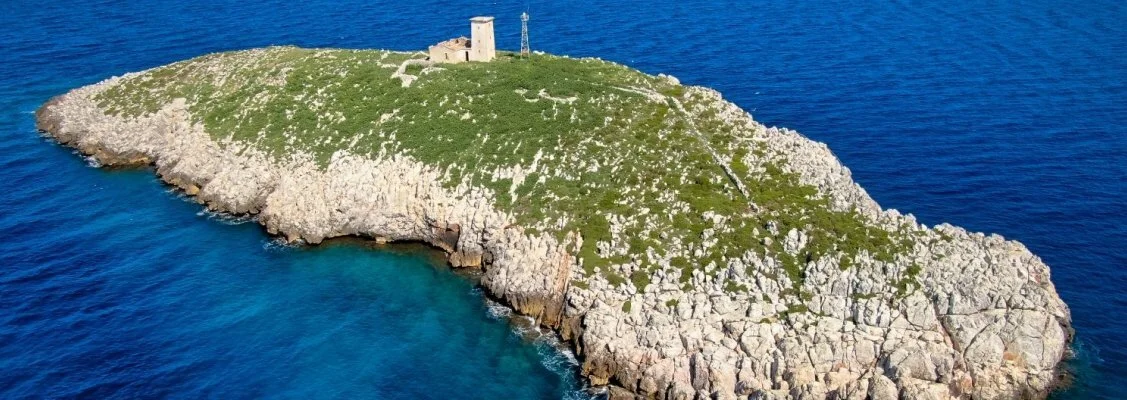
In 1942, an unnamed Greek man swam the seven kilometers from the island of Chios to the Turkish coast. According to historian Philip Argenti, he started his journey at the promontory of Haghia Heléne, putting his clothes in a watertight tin that also served him as a lifebuoy. He wasn’t alone in escaping the islands during the German occupation, though he is believed to be the only one who swam. Between March and May 1942 alone, nearly nine thousand inhabitants of Chios fled the brutal occupation and famine conditions to neighbouring Turkey. The German military had declared it illegal to leave the island and confiscated most seaworthy boats, so the refugees had to cross the sea on frail skiffs and under the cover of night. It was a dangerous journey, as it is today, and not all the vessels reached the Turkish shore safely: in April 1942 one boat broke on a reef and 207 of the 236 passengers lost their lives, while another similar accident saw eighty-one casualties.

Refugee deaths, refugee lives

Do (some) refugees’ lives matter only in so far as they die prematurely and in the glare of some kind of publicity, such as happened in September 2015 when the body of three-year old Alan Kurdi washed up on a Turkish beach?

Judith Butler’s meditations on ‘grievable life’ are relevant here. They prompt questions in my mind about the premature death of refugees, including the question: What about life before death?

‘Boat People’: A Tale of Two Seas

Following the end of the Vietnam War in 1975, North Vietnamese forces moved into Saigon displacing thousands of people from their homes. Vietnamese refugees boarded small fishing and rowing boats, taking flight across the South China Sea in search of refuge from neighbouring Thailand, Malaysia, the Philippines and Indonesia. Images of men, women and children in overcrowded wooden boats captured media headlines across the world. Their plight garnered both outrage and sympathy in the West as the British and French governments mobilised to receive 19,000 and 119,000 ‘boat people’ respectively.

In France, the defining moment in public and political opinion occurred in November 1978 when the vessel, Hai Hong, with 2,564 refugees aboard, spent three weeks stranded off the coast of Malaysia.

Repelling refugees, 2020 / 1938

This seems a good moment to remember Britain’s well-established tradition of repelling refugees from its shores.

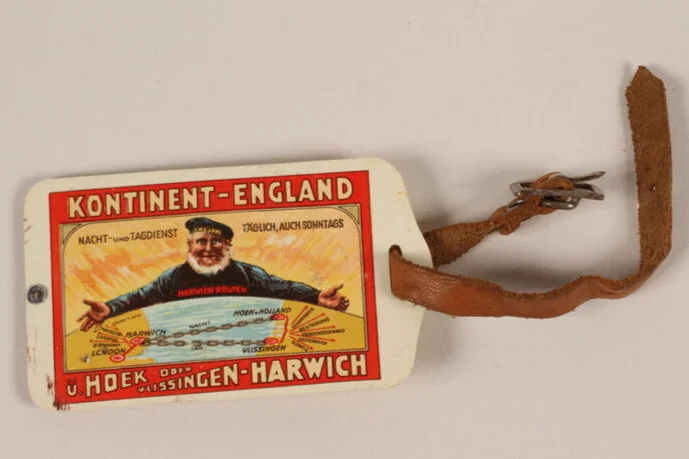
As the persecution of Jews and dissidents in Nazi-controlled Germany and Austria intensified in the summer of 1938, and as the liberal democracies which surrounded its territories imposed more and tougher visa restrictions and hardened their borders against refugees, those seeking refuge started to look for other means to enter safe countries. Those who had reached France, but feared that the country might soon be in line for invasion, or who already had relatives in Britain, started to enter the country illegally.

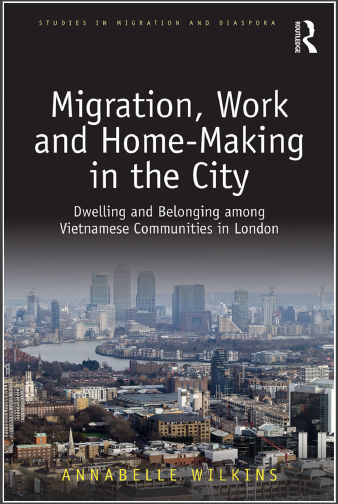
Vietnamese refugees in Britain: displacement, home and belonging

In 1975, North Vietnamese forces took control of Saigon, marking an end to the protracted conflict of the Vietnam War (also referred to as the American War and the Indochina War). By 1979, the impact of policies of forced relocation and the repression of ethnic minorities forced hundreds of thousands of people to leave Vietnam. Around 19,000 Vietnamese refugees were resettled in Britain between 1975 and the 1990s.