Dictatorship as a model refugee host?

Images of refugee children in cages, on capsizing boats, and in overpacked camps fill our news and social media; yet scholars know that none of this is new and that many liberal democracies continue to fail in the most basic task of acting humanely. Democracies prevent refugees’ entry, push back boats, isolate the displaced on small islands, and prevent people from the dignity of learning and working. Assimilating refugees to a new land often leads to “cleansing” them physically, culturally, and linguistically. However, one of the most brutal dictatorships in human history requestedshiploads of children and provided housing, food, education, and job training all while preserving their native tongue and much of their cultural heritage.

A recent history of camps in French migration policy, part 2: Encampment and eviction

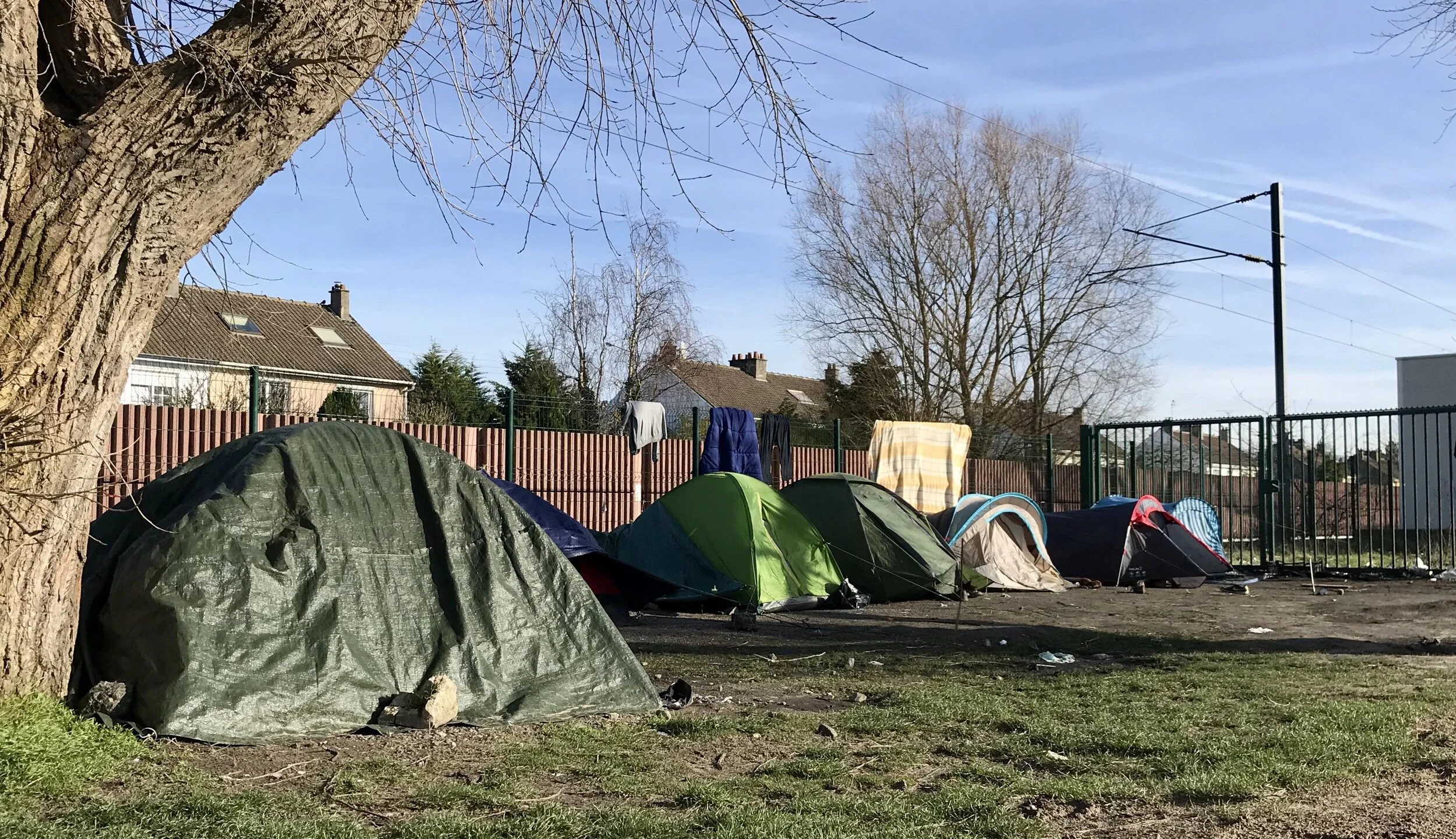
The French state skilfully navigates between staged scenes of camps spilling out of control and being brought back to order. Media visibility of camps circulates a message to the French public that immigration is excessive (and migrants are hungry, dirty, and sick)—and to migrants that they are not welcome. But if camps are too prominent they can become sites of solidarity. Camp evictions, meanwhile, are public relations exercises that follow a well-established script: emptying and destruction of the camp under the gaze of the media, promise that residents will be accommodated elsewhere; then (once the journalists have departed) ‘realization’ that the available accommodation is insufficient, followed by violent dispersal of remaining camp residents. This narrative disguises the state’s responsibility for the situation and reduces the horizon of migration policy to a single question: how to reduce numbers. It directs resources towards repression instead of integration.

A recent history of camps in French migration policy, part 1: Making camps

On Monday 23 November 2020, around 7pm, several hundred exilés pitched 200 tents on place de la République, Paris. The square was violently emptied by police that same night. This operation was far from unusual: since June 2015 there have been 66 such operations in and around the French capital. What does this latest episode reveal? That camps are a deliberate policy choice.

Refugee times: seeking refuge in and beyond the 20th century – call for papers

We are pleased to announce a new Partnership Seminar Series with the Institute for Historical Research on Doing Refugee History. Across a year and a half of seminars, this series aims to create a new network of historians working on forced migration through time and space. We are currently seeking papers for spring/summer 2021, around the theme of Refugee times: seeking refuge in and beyond the 20th century.

Forced to Flee: Engaging with conflict and community responses to refugees

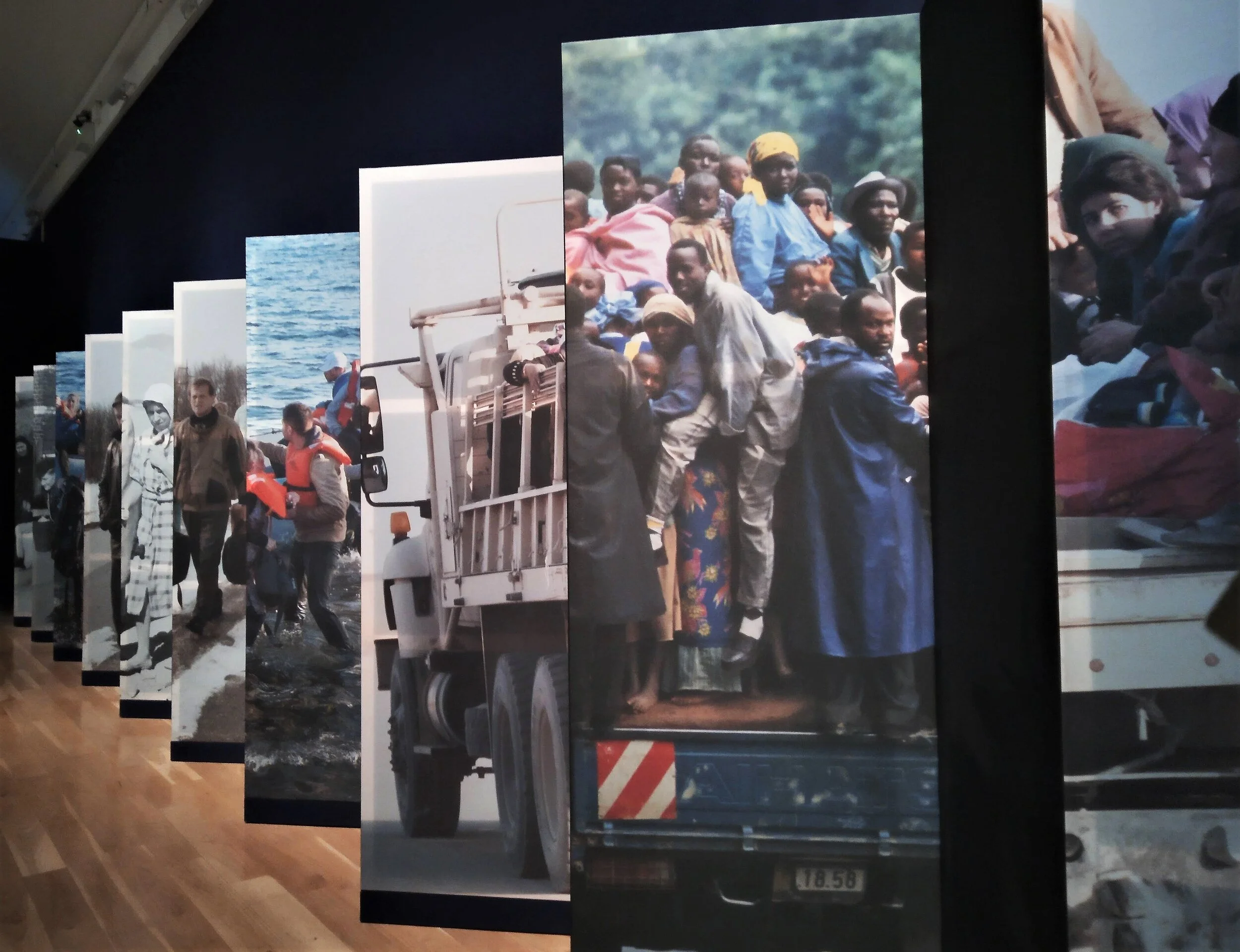
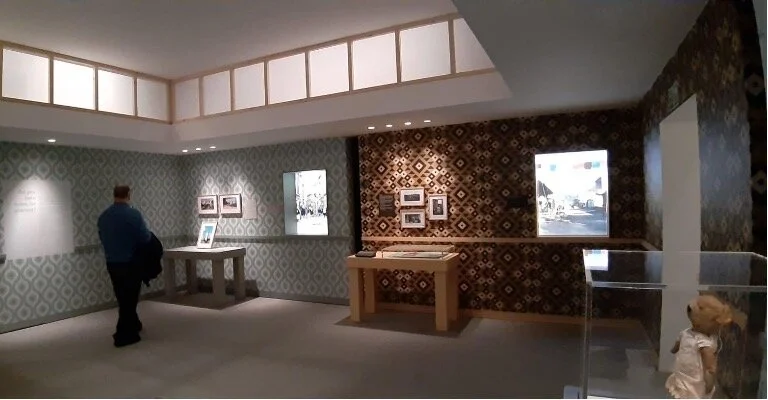
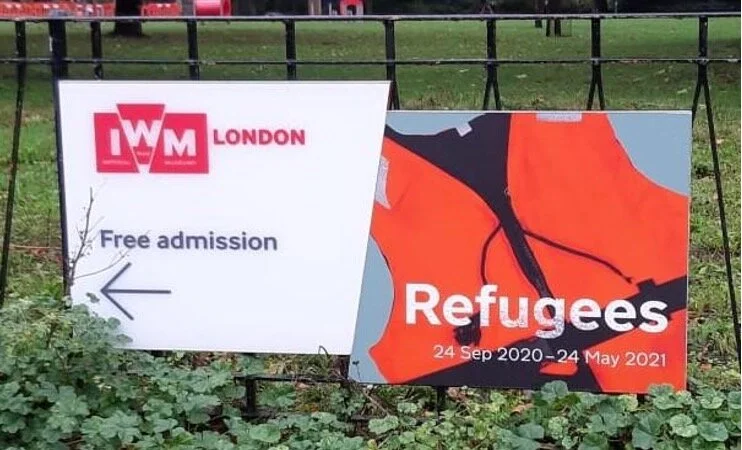
Forced to Flee is an expansive exhibition covering a range of angles, from the triggers for displacement, the journey that refugees have made, crossing borders, refugee camps, and reception in the UK. The exhibition looks at historical situations as well as recent displacement, and some clear themes emerge. The strongest is an emphasis on the human, the personal experience. Another is the diversity of community responses to refugees arriving in the UK. The third is the focus on conflict as a cause of displacement—though this means other causes are neglected. Overall the exhibition is ambitious and timely.

Refugees at IWM – Filling in the gaps

The exhibition includes refugees from a wide range of contexts. All looked similar to me: they had all lived in camps, fled their own country, and suffered on the journey to arrive at a safe place. The exhibition makes you wonder about how they lived. There are things that give an incomplete impression, but overall it is a really nice exhibition.

Refugees at IWM – Where turning away is an option

There is nothing shocking, dramatic or distressing about Forced to Flee. It avoids representing any of the physical effects of forced displacement on the human body: anguish, injury, illness, destitution, death – or crying. The exhibition not only challenges the idea of the refugee as a silent suffering body, but interrupts the whole set of emotional relationships that go along with that idea. Forced to Flee spans a century of refugee history, but rather than taking each historical moment in turn, the exhibition follows the steps of a ‘typical’ refugee story: the departure, the journey, the arrival, the asylum procedure, the integration process.

Refugees at the Imperial War Museum: a virtual round table

This week we run a virtual round table about the Imperial War Museum’s Refugees season, especially the exhibition Forced to Flee. Drawing together the perspectives of researchers, practitioners, and those with lived experience of displacement, it seeks to engage with and reflect upon the scope and aims of the exhibition, its historical remit and comparisons, its artistic and curatorial choices, and its specific exhibits.