Border-crossing: History Dialogues between camp and campus

Refugees living in camps are often not perceived as historians for ‘historically explicable reasons’, to borrow Bonnie Smith’s phrase. They do not do the things historians do because they cannot: they cannot consult archives, they cannot access university libraries (or, often, libraries at all), they cannot depend on reliable internet and computer access, let alone the funding, research support, training, social networks, and material resources that underpin the research and writing of academic history. It is as though encamped refugee and historian have been defined as mutually exclusive identities. A person residing in a refugee camp cannot be a historian because a historian, quite simply, cannot be a person residing in a refugee camp.

What if we were to disrupt this tautology? To redefine what being a historian means?

Hopehood across the frontier: permanent transience at Kakuma refugee camp

Kenya has received more than half a million refugees since 1991. However, except for two instances of group resettlement, very few refugees received resettlement opportunities. During the last decade, for instance, only 37,522 people have been officially resettled, despite many more arriving. Kakuma camp, however, has become known as a ‘resettlement hub’ and, as I show in this post, the lives of residents are affected by such perceptions. I discuss how refugees move from the hope of surviving to a new, dream-like lifestyle which the term “hopehood” encapsulates. In doing so, I argue that though hope has served as an instrument to enable people to endure prolonged encampment in an enclosed place, unrealistic hope has separated residents from reality, so that chasing a rare chance of resettlement becomes itself a mode of life.

Apartheid refugees: literature and exile

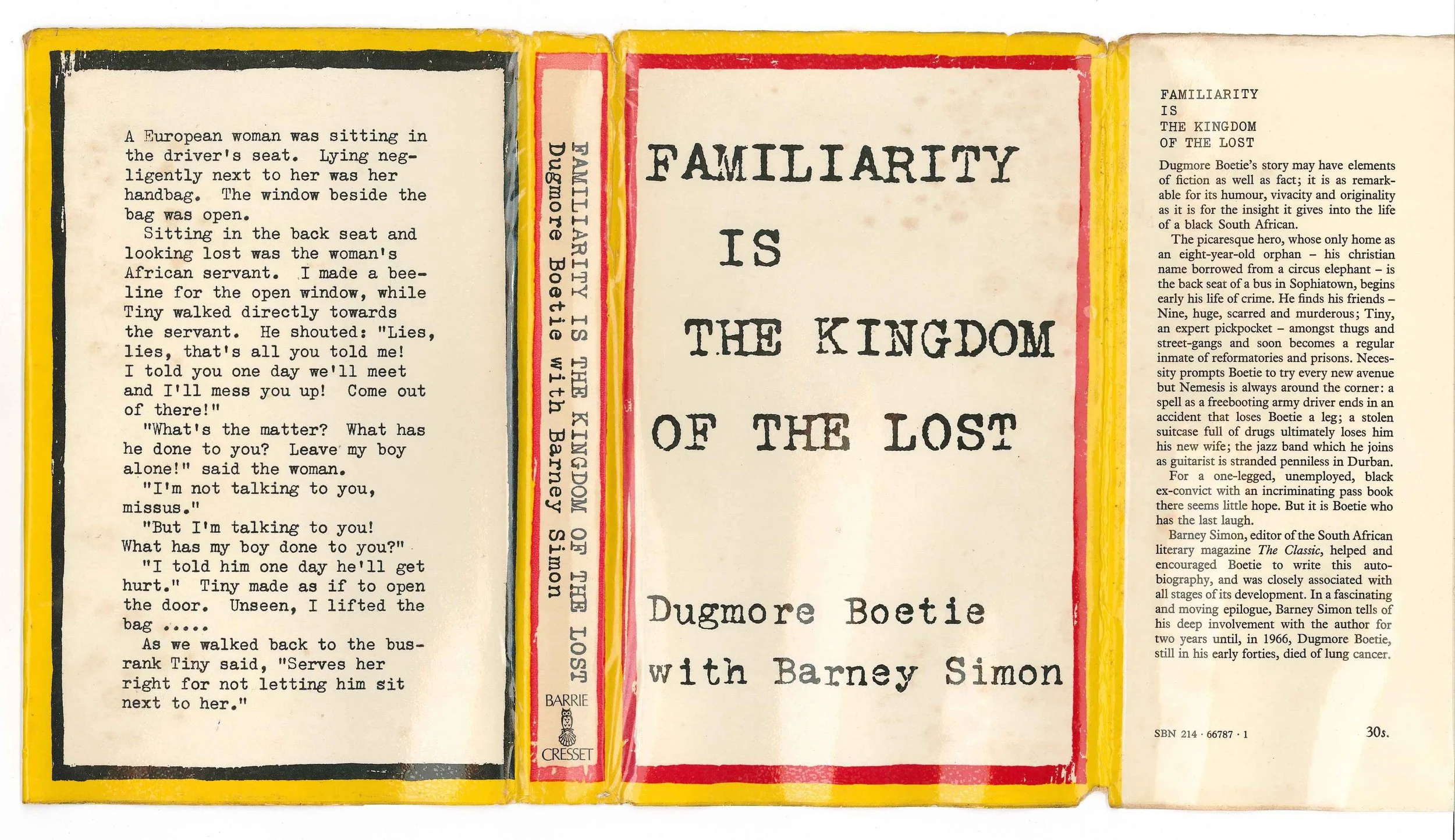
In August 1960, the Black writer and musician Dugmore Boetie fled apartheid South Africa and entered Bechuanaland (today Botswana) on foot. Boetie was one of thousands of refugees from apartheid. Unlike most, he returned soon afterwards—and his novel Familiarity is the Kingdom of the Lost is the only book describing apartheid by a Black writer residing in South Africa in this period.

Refugee and humanitarian histories at Manchester: a celebration of the work of Professor Peter Gatrell

A workshop on 8 October 2021 marked the retirement, and celebrated the work, of Peter Gatrell: a legendary figure in the field of refugee history. As was made clear at this event, many scholars and practitioners regard him as having had, and continuing to have, a pivotal role in developing and advancing the field of research. (He has often featured on this blog, too.) But they also see him as a friend, a generous colleague and patient mentor.

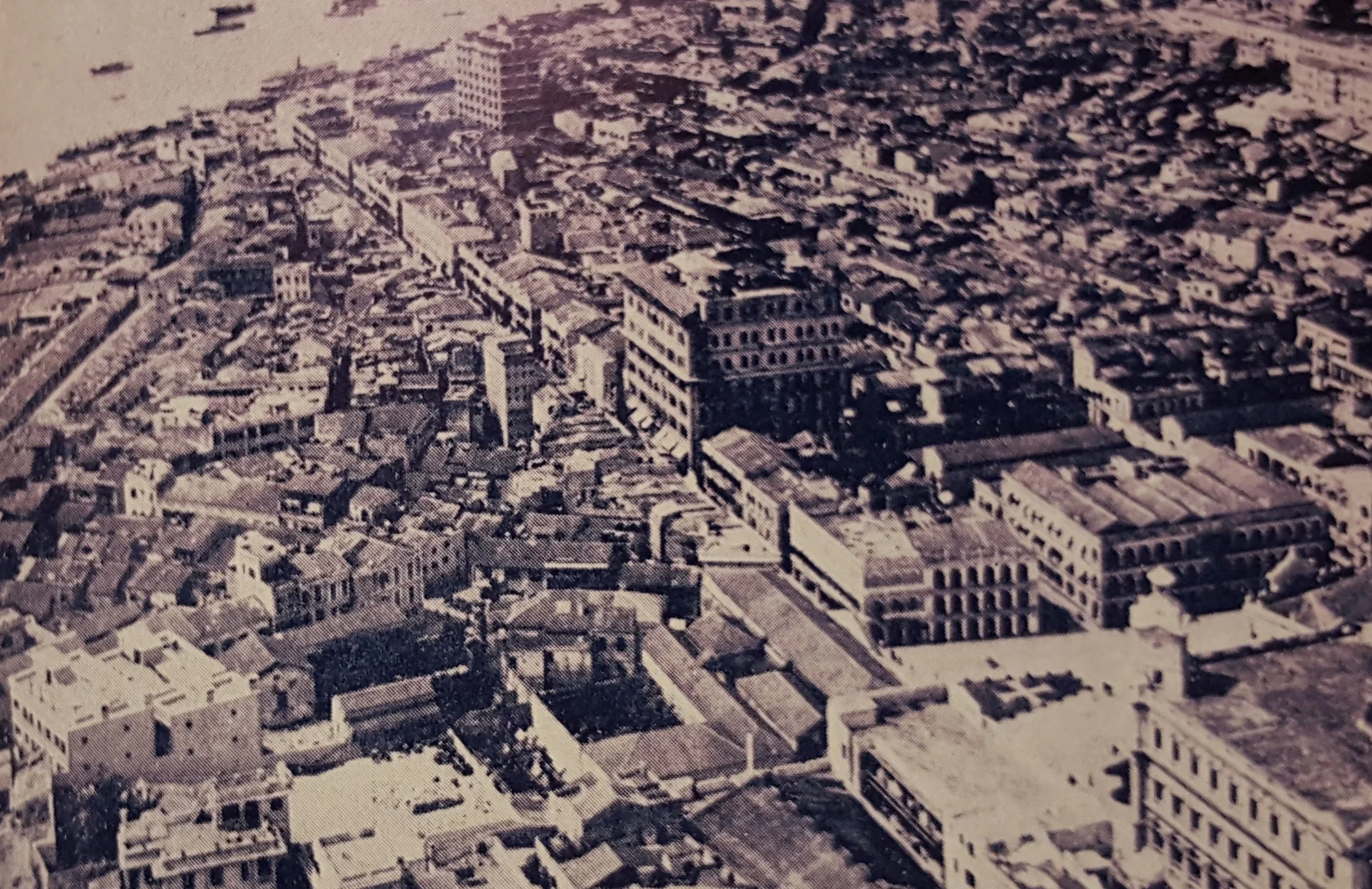
Student refugees in wartime China: Macau, 1937–45

China’s War with Japan (1937-45, with origins in 1931), a crucial theatre of the Second World War, generated millions of refugees, with some estimates reaching 100 million internally displaced persons. Among them were many students. Over a hundred primary, middle and secondary schools were transferred to Macau during the war, with a combined student population of more than 30,000.

Environmental refugees and the 1951 Convention

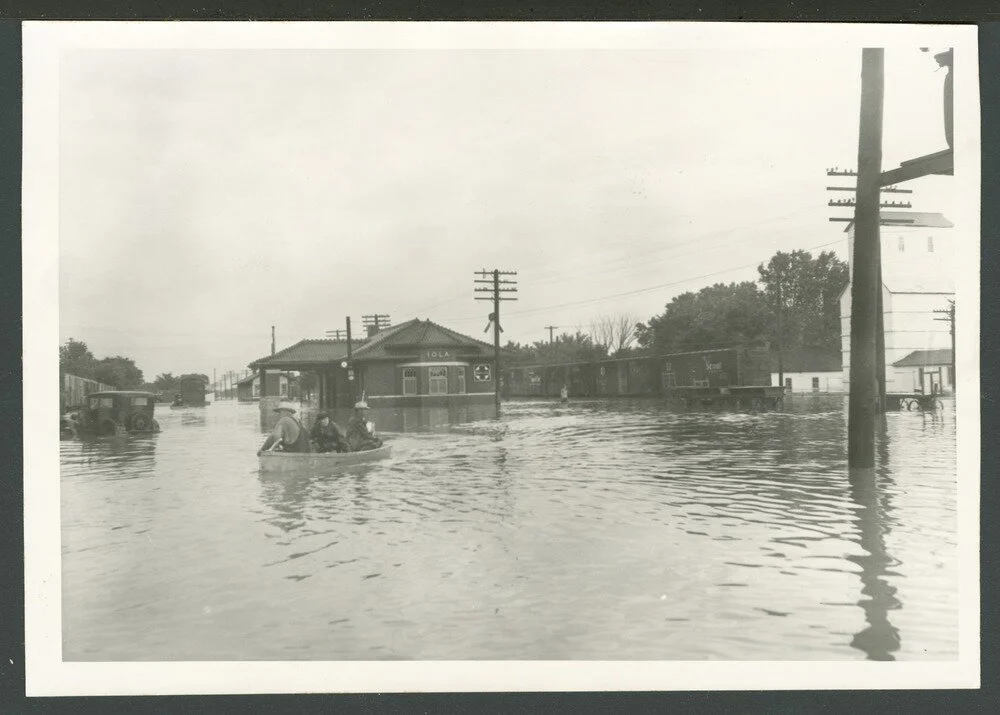
Over the past thirteen years, an estimated 24 million environmental refugees have been displaced annually as a result of climate change and extreme weather disasters. The magnitude of the climate change crisis and the sheer number of people moving as result has led to considerable debate about how to best address the crisis itself, as well as the plight of those currently being displaced. Should the 1951 Refugee Convention be expanded to cover environmental refugees? The way in which environmental displacement has been understood historically is critical to any contemporary discussions about how to address the plight of environmental refugees today, as it helps us understand the possibilities and limitations of revisiting the 1951 Convention’s definition of a refugee to incorporate those fleeing environmental crises. It will take more than a definitional change for the 1951 Convention to be effective and relevant in addressing the plight of climate change refugees: notions of responsibility must also evolve.

State succession to the 1951 Refugee Convention: the curious case of Mauritius

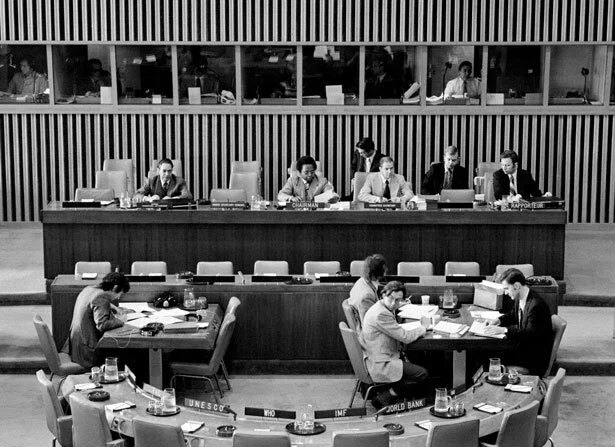
In 2003 the Supreme Court of Mauritius concluded that, upon its independence from Great Britain in 1968, Mauritius had succeeded to the 1951 Refugee Convention. Yet Mauritius is not among the formal list of States Parties to the Convention and UNHCR regularly encourages it to accede to the Convention. Why then does the Supreme Court consider Mauritius a State Party while the International Community continues to see it as a non-signatory State?

New resource: Refugee settlement and encampment in the Middle East and North Africa, 1860s–1940s

We’ve just added a research guide to refugee settlement and encampment in the Middle East and North Africa from the 1860s to the 1940s to our Resources page. Produced by our contributor Baher Ibrahim, it’s a four-page PDF that gives an overview of archives and resources for researchers interested in this subject, especially those available online (it contains many links and pointers).

Passion, bureaucratic violence, and the language of asylum

The illumination of sanctuary campaigns highlights the practices of subjectivity and unaccountability which work against those under threat of deportation, serving as a reminder of the ongoing importance of seeing through veils of democratic humanitarianism and facades of justice which so easily disguise the mistreatment of society’s most vulnerable. Sanctuary campaigns teach us the power of public pressure when it achieves the moral high ground – the barometer for which we all play a role in setting. Yet simultaneously they highlight how exceptionally sustained and supported campaigns must be from those in all levels of society – vicars, students, politicians and elderly parishioners alike – in order to prevail.