Precarity of welcome: review of Becky Taylor's Refugees in Twentieth-Century Britain

In her book Refugees in Twentieth Century Britain, Becky Taylor carefully explores the reception, experiences and significance of refugees in Britain across the twentieth century. Time and time again, she demonstrates how closely bound up the refugees’ lives have been with the British public’s own experiences of changing political and social factors, whether these two groups come face to face or not, and however much of a gulf the media may lead people to believe exists between ‘us’ and ‘them’. Making sense of a huge range and diversity of sources, the book beautifully demonstrates the complexities and contradictions of British society, and the many ways refugees encountered these complexities.

Humanitarianism in Newfoundland: the rescue of Tamil refugees in 1986

On 11 August 1986, after five days adrift off the coast of Newfoundland, two lifeboats carrying 155 Tamil refugees fleeing the armed conflict in Sri Lanka were rescued by local fishermen. A fast-track refugee decision process that allowed them to be issued renewable one-year permits enabling them to live and work in Canada. The decision to grant Minister’s permits was controversial, especially when it emerged that the refugees had departed from West Germany, a ‘safe state’. But on the whole, media discourse was welcoming. This post revisits the incident in the light of present-day refugee policy in Canada and elsewhere.

Methods in refugee history – call for papers

We are pleased to announce the third round of seminars in our series, Doing Refugee History, supported by the Institute for Historical Research and RefugeeHistory.org. This set of seminars will explore the subject of Methods in Refugee History and will run from March to May 2022.

The purpose of this set is to explore the role of method in doing refugee history, by examining both the use of conventional research methods and the emergence of innovative new methodological approaches. We welcome contributions that discuss the relationship between methods, analysis and argument in the sub-field of refugee history.

From the 1951 Convention to the 1967 Protocol: how the refugee regime was globalized

How should we understand the globalization of the international refugee regime? A conventional understanding is that the 1951 Refugee Convention, although it put in place a universal definition of ‘refugee’ for the first time, remained limited to European refugees. But the 1951 text was not as limited as people think. Most of the initial signatories intended the convention to be applied to people displaced from anywhere, not just from within Europe. And the decisive momentum for globalization was created by African states newly independent from France.

Border-crossing: History Dialogues between camp and campus

Refugees living in camps are often not perceived as historians for ‘historically explicable reasons’, to borrow Bonnie Smith’s phrase. They do not do the things historians do because they cannot: they cannot consult archives, they cannot access university libraries (or, often, libraries at all), they cannot depend on reliable internet and computer access, let alone the funding, research support, training, social networks, and material resources that underpin the research and writing of academic history. It is as though encamped refugee and historian have been defined as mutually exclusive identities. A person residing in a refugee camp cannot be a historian because a historian, quite simply, cannot be a person residing in a refugee camp.

What if we were to disrupt this tautology? To redefine what being a historian means?

Hopehood across the frontier: permanent transience at Kakuma refugee camp

Kenya has received more than half a million refugees since 1991. However, except for two instances of group resettlement, very few refugees received resettlement opportunities. During the last decade, for instance, only 37,522 people have been officially resettled, despite many more arriving. Kakuma camp, however, has become known as a ‘resettlement hub’ and, as I show in this post, the lives of residents are affected by such perceptions. I discuss how refugees move from the hope of surviving to a new, dream-like lifestyle which the term “hopehood” encapsulates. In doing so, I argue that though hope has served as an instrument to enable people to endure prolonged encampment in an enclosed place, unrealistic hope has separated residents from reality, so that chasing a rare chance of resettlement becomes itself a mode of life.

Apartheid refugees: literature and exile

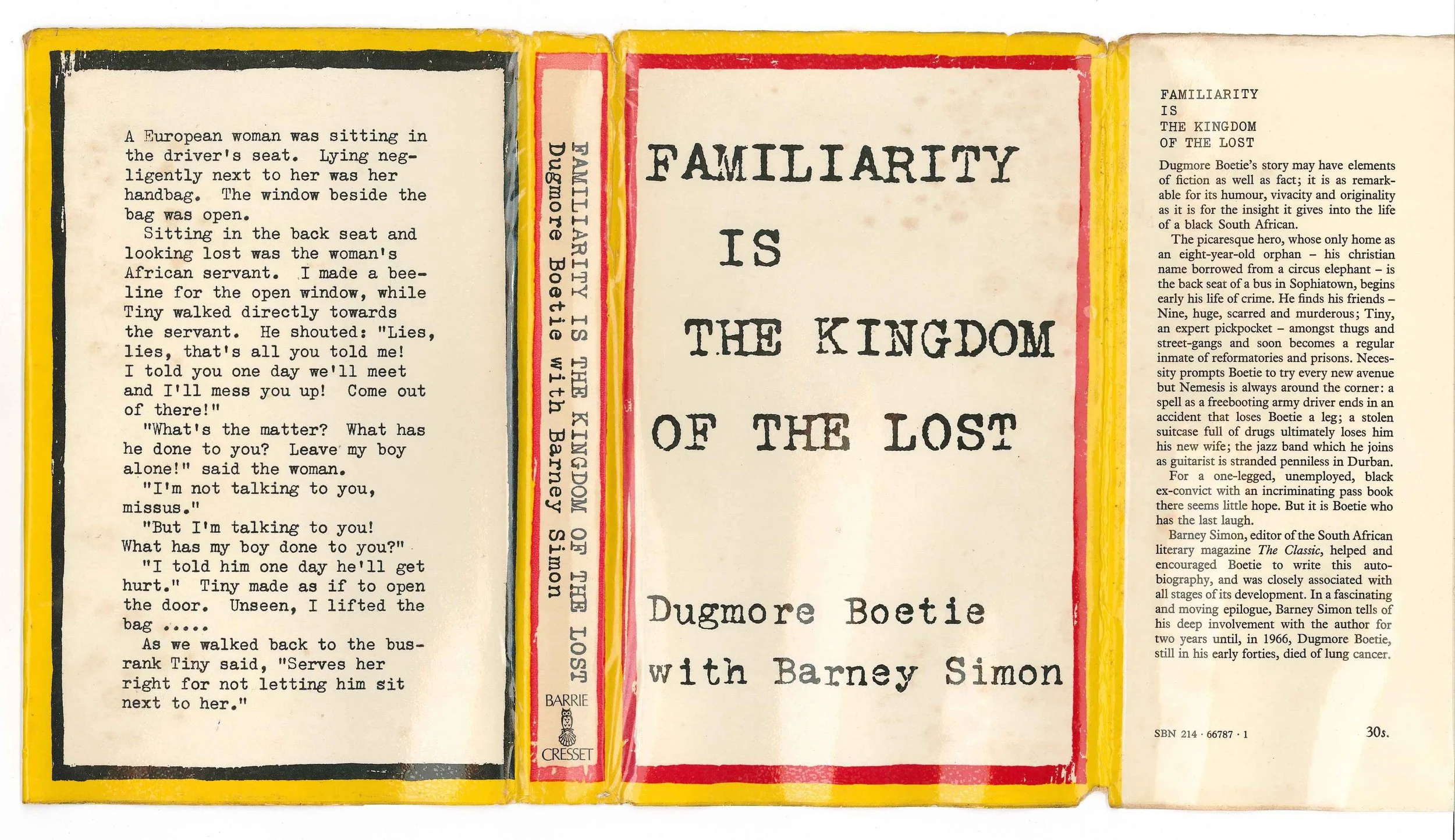
In August 1960, the Black writer and musician Dugmore Boetie fled apartheid South Africa and entered Bechuanaland (today Botswana) on foot. Boetie was one of thousands of refugees from apartheid. Unlike most, he returned soon afterwards—and his novel Familiarity is the Kingdom of the Lost is the only book describing apartheid by a Black writer residing in South Africa in this period.

Refugee and humanitarian histories at Manchester: a celebration of the work of Professor Peter Gatrell

A workshop on 8 October 2021 marked the retirement, and celebrated the work, of Peter Gatrell: a legendary figure in the field of refugee history. As was made clear at this event, many scholars and practitioners regard him as having had, and continuing to have, a pivotal role in developing and advancing the field of research. (He has often featured on this blog, too.) But they also see him as a friend, a generous colleague and patient mentor.

Student refugees in wartime China: Macau, 1937–45

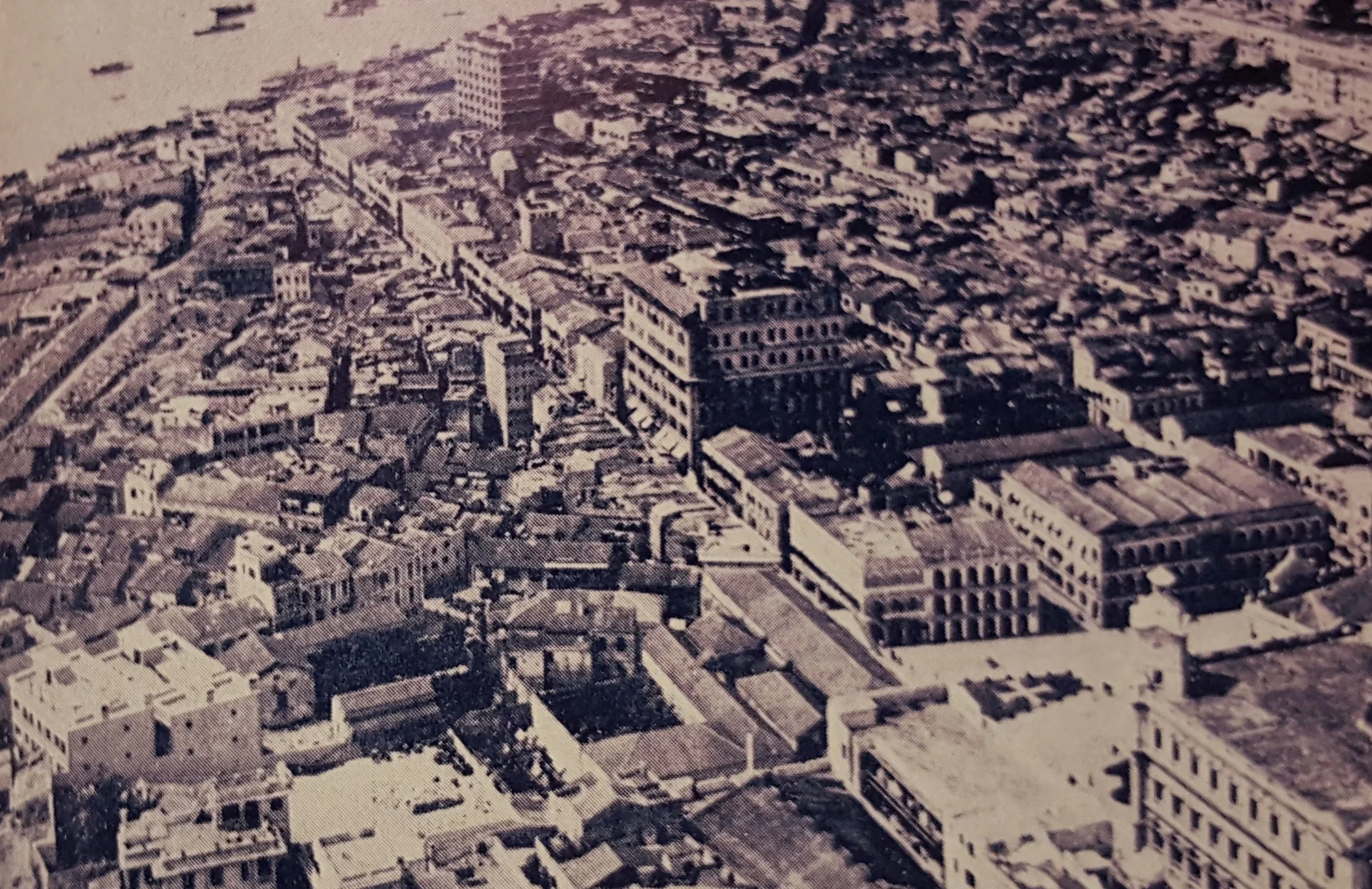
China’s War with Japan (1937-45, with origins in 1931), a crucial theatre of the Second World War, generated millions of refugees, with some estimates reaching 100 million internally displaced persons. Among them were many students. Over a hundred primary, middle and secondary schools were transferred to Macau during the war, with a combined student population of more than 30,000.

Environmental refugees and the 1951 Convention

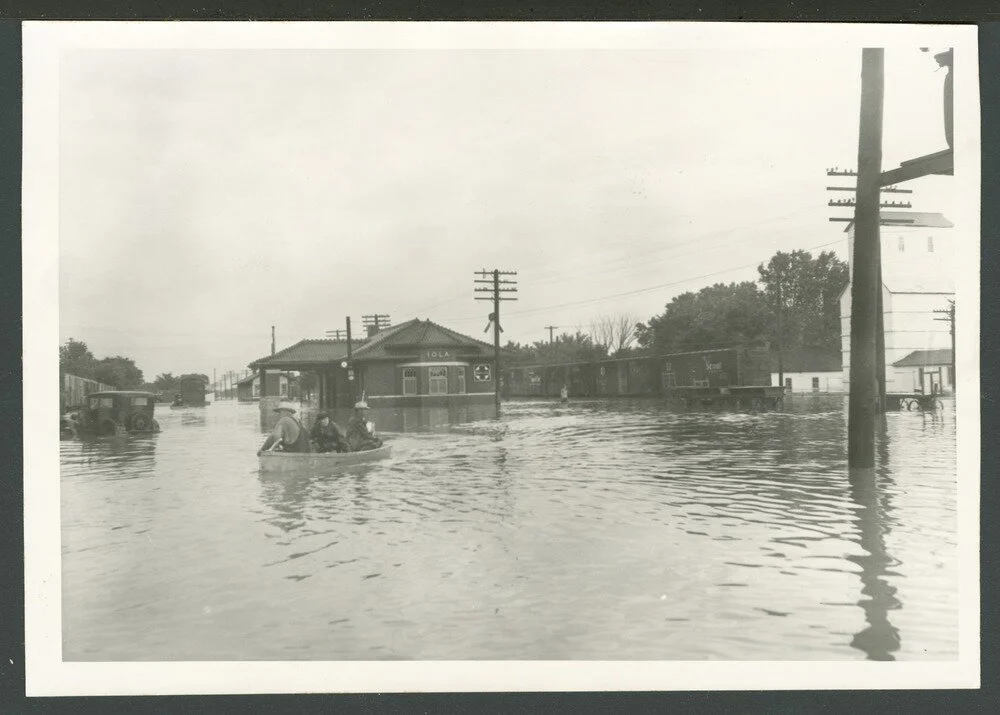
Over the past thirteen years, an estimated 24 million environmental refugees have been displaced annually as a result of climate change and extreme weather disasters. The magnitude of the climate change crisis and the sheer number of people moving as result has led to considerable debate about how to best address the crisis itself, as well as the plight of those currently being displaced. Should the 1951 Refugee Convention be expanded to cover environmental refugees? The way in which environmental displacement has been understood historically is critical to any contemporary discussions about how to address the plight of environmental refugees today, as it helps us understand the possibilities and limitations of revisiting the 1951 Convention’s definition of a refugee to incorporate those fleeing environmental crises. It will take more than a definitional change for the 1951 Convention to be effective and relevant in addressing the plight of climate change refugees: notions of responsibility must also evolve.